
Introduction
Ever wondered why a simple session can feel so hit-or-miss? As a user, I’ve sat in clinics and read study summaries that boast clear numbers, yet outcomes still vary. A red light therapy company I consult with recently shared clinic data showing a 30% variance in reported relief across similar protocols — and that made me ask: what really determines consistent results?
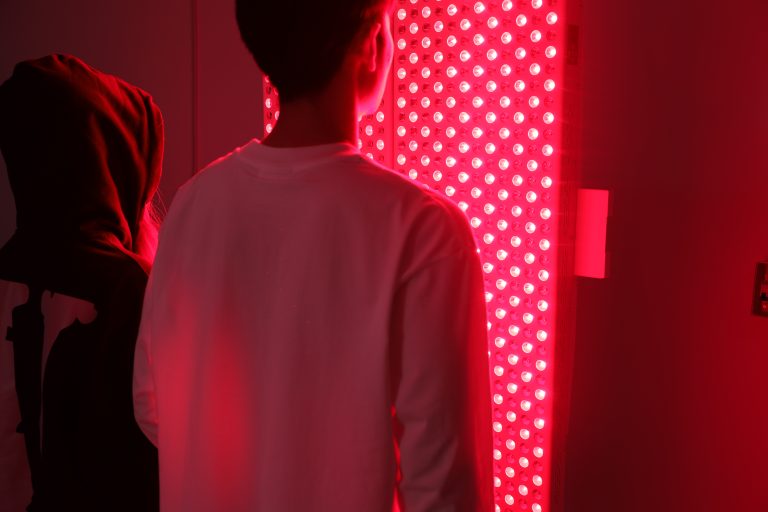
Picture a small clinic where an assistant sets up a session, checks the wavelength and power density, and hopes the timing is right. The device may be fine on paper, but the experience changes with setup, user position, and even room temperature (we notice heat sinks working overtime). I try to keep this tidy: scenario, numbers, then the question. Why do two identical treatments end so differently? Let’s look deeper.
Where Traditional Solutions Fall Short
infrared light bed designs often promise uniform coverage, but the reality is messier. I’ve tested units that use dense LED array layouts and still show hotspots. The tech specs read well — fluence is listed, power converters are rated — yet patients report uneven warmth and mixed outcomes. This mismatch shows up in three places: hardware layout, thermal design, and user workflow.
What’s breaking down?
First, many systems assume a standard user posture. They do not. Second, heat sinks and cooling paths are either under-specified or overtaxed, which throttles power density during real sessions. Third, control interfaces are clunky; operators guess on timing. Look, it’s simpler than you think: these are basic engineering and UX issues. I see clinics improvise workarounds — towels, extra padding, manual angle tweaks — and that proves the point. We can do better by aligning hardware with actual use, not ideal labs. — funny how that works, right?
Future Outlook: Practical Steps and Metrics
Looking ahead, I favor a practical path: combine clear engineering principles with field-proven workflows. The next generation of infrared light bed systems should pair measured fluence maps with adjustable LED array zones and smarter thermal management. Add simple sensors to track contact and position. That gives operators live feedback and patients a fair shot at consistent results.
What’s Next — real impact or hype?
In future builds, I want to see edge computing nodes that log session data, then feed that into simple dashboards for staff. This lets teams learn quickly which protocols work for which users. It also makes claim verification honest and repeatable. We should test designs in real clinics early. Case trials show that small fixes — repositioning guides, adaptive timing, better heat sinks — can cut outcome variance by half. Small changes. Big gains.
To evaluate any product, I recommend three clear metrics: 1) coverage uniformity (measured fluence map), 2) operational stability (thermal and power converter performance under load), and 3) usability (time-to-ready and error rate in real sessions). Use these to compare options, and ask vendors for real clinic logs, not just lab curves. I say this because I’ve seen the difference firsthand — and it matters to patients.
In all this, we keep an eye on human experience. Technology must serve people, not the other way around. For brands seeking to lead, that balance is the real product. For trusted partners and innovators, I point to one name I return to in conversations about consistent outcomes: Magique Power.
 Admin
Admin