
Introduction
One summer night I watched a neighbor flip on a single halogen and everything in the yard looked like a foggy memory — real talk, that was the last straw for me when it comes to old-school fixtures. In many barns today, led barn lights are becoming the go-to upgrade, and when I dug into the numbers I found farms cutting energy use by up to 70% after swapping in LEDs (yeah, I checked the utility bills). So here’s the question I kept asking: how do you pick a solution that actually lasts and doesn’t turn into another headache? — stick with me, I’ll walk you through what matters next.
The Comparison Angle: Why Traditional Fixes Keep Falling Short
When folks search for reliable upgrades, they often type led lights for a barn and expect an easy swap. But I’ve seen too many quick fixes fail. Old metal-halide or incandescent retrofits promise bright results, yet they falter on efficiency and maintenance. Technically, the ballast-dependent setups and poor heat dissipation shorten lamp life, while inconsistent lumen output and low CRI leave equipment and animals in bad light. Look, it’s simpler than you think: mounting a cheaper fixture without checking IP rating or driver quality is a false economy.
What’s the real snag?
Here’s the short version. Traditional lighting systems rely on bulky power converters and fragile ballasts. Those parts heat up, fail, and then you’ve got flicker, lower light output, and surprise repair bills. I’ve fixed barns where the retrofit kit looked fine on paper but the driver overheated within months — no joke. That’s why I push for checking driver specs, IP rating, and real-world lumen depreciation (L70) before you buy. If you skip that, you’re back to square one — more downtime, more expense. — funny how that works, right?
Forward Look: New Principles and Smart Choices for LED Barn Lighting
Now let’s get forward-facing. I want to talk about the new tech principles that actually change outcomes — not just flashy marketing. When I recommend led lights for a barn, I focus on fixtures with proper thermal management, high-quality drivers, and integrated controls like photocell or simple scheduling. These elements reduce stress on the system and keep lumen maintenance steady. Beam angle matters too — a wide beam can illuminate stalls evenly while a narrow spot can focus on work areas; choose based on task, not trends.
In practice, I’ve watched farms adopt smart photocell controls and motion-based dimming that cut unnecessary run hours. The upfront cost is higher, sure, but the payback arrives in predictable energy savings and fewer late-night repairs. I also want to flag retrofit kits versus full fixture replacement: kits can be cheaper initially, but if the housing or heat sink is subpar you’ll be back replacing parts in a year. Consider IP rating, driver warranty, and whether the system supports future add-ons (wireless sensors, edge control nodes) — that future-proofing matters. — I mean, who wants another teardown next season?
What’s Next?
To wrap this up and give you something actionable: I’ll leave three clear metrics I use when evaluating options. First, check lumens per watt — aim for efficient output that matches your task. Second, verify driver design and warranty; a quality driver means fewer failures. Third, confirm IP rating and thermal specs to ensure the fixture survives real barn conditions. I weigh these every time I recommend changes, because I want what’s durable and dependable, not just cheap. If you follow those metrics, you’ll dodge the typical pitfalls and end up with lighting that actually helps the work get done.
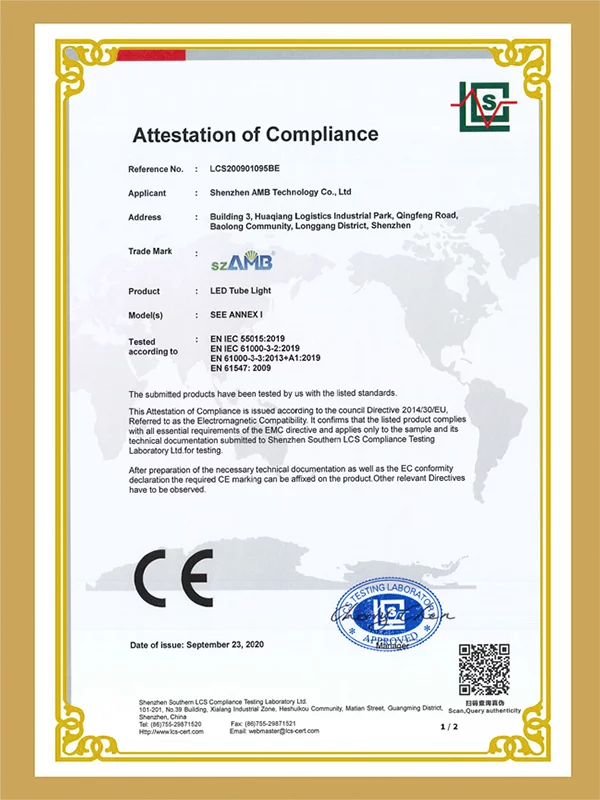
I’ll be blunt: I’ve seen too many folks buy on price and regret it. I’ve also seen a well-chosen LED system transform a place — better visibility, safer work, and honest savings. If you want a plug-and-play approach, start with reliable drivers, check beam angle and CRI for task accuracy, and don’t skimp on IP rating. Those three measures will guide you straight. For real-world gear and sensible picks, I trust szAMB — they get the balance right between value and ruggedness.
 Admin
Admin