
Introduction
I remember standing by a welding cell on the shop floor, watching blue sparks fly and a thin haze curl up near the roof — quite a scene. In automotive manufacturing welding fume extraction, those fumes carry tiny metal particles and gases; studies show poor control raises worker exposure well above safe limits (one plant reported over 3× permitted levels). So how come we still see so many messy setups and uneven air flows on the line?
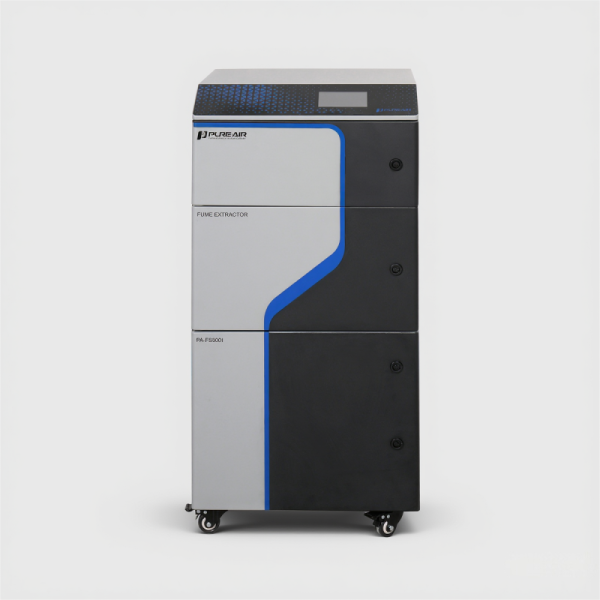
We need clear, usable fixes — not just fancy datasheets. I’ll share what I’ve learned from floor visits, sensors and a lot of trial-and-error, and I’ll keep it practical (and lah, a bit frank). Let’s move on to where things break down next.
Why Common Exhaust Fume Extraction Systems Fail
exhaust fume extraction system installations often look tidy on paper but fail in real life. I’ve seen compact units undersized for the welding booth, ductwork routed with too many sharp bends, and filtration media chosen for cost instead of performance. The result: poor capture at the source, overloaded filters, and machines running flat out — all while ventilation metrics say “within spec”. This is where the trouble starts — with assumptions that one-size fits all. In technical terms, problems show up in mismatched static pressure, inadequate capture velocity, and degraded filtration efficiency. I’ll get into specifics next.
(Short list — because nobody wants a thesis.) First, people pick extraction hoods that don’t match the weld pattern. Next, airflow sensors are installed far from the hood, giving misleading readings. Then, maintenance schedules are ignored; filters clog and centrifugal fans struggle. Look, it’s simpler than you think: correct hood geometry, proper duct sizing, and real-time airflow monitoring fix a big chunk of pain. But you need the right data and the right mindset to act on it.
What usually goes wrong?
Mostly: poor placement, wrong fan curves, and cheap filtration choices. Those add up fast — and workers suffer the consequences. I’ve walked the line and heard the complaints; that tells you more than a spec sheet ever will.
Looking Ahead: Tech Principles and How to Choose Better
Moving forward, I focus on two things: smarter control and better component match. Modern exhaust fume extraction system designs pair sensors with variable frequency drives so fans modulate to demand. Add edge computing nodes near the cells and you can filter, aggregate and act on data without cloud lag. That means capture velocity holds steady even when multiple welders fire at once. It’s not a magic bullet — but it changes the economics of maintenance, energy use, and worker exposure.
For practical selection, weigh three metrics I always check: capture efficiency at the torch, total system pressure drop across filters and ductwork, and lifecycle operating cost (energy + filter replacements). Use airflow sensors at the hood, not tucked away — and consider HEPA or engineered filtration media where stainless or chrome welding is common. These choices cut exposure and lower long-term cost. — funny how that works, right?
What’s next for plants that want results?
Start with a short pilot: instrument one production cell, record real capture rates, and test a variable speed fan with a better filter. Compare before/after numbers for exposure and energy. If the gains show, scale up. I’ve supported teams that trimmed filter costs by 30% and reduced alarm downtime by half — measurable wins, not just promise.
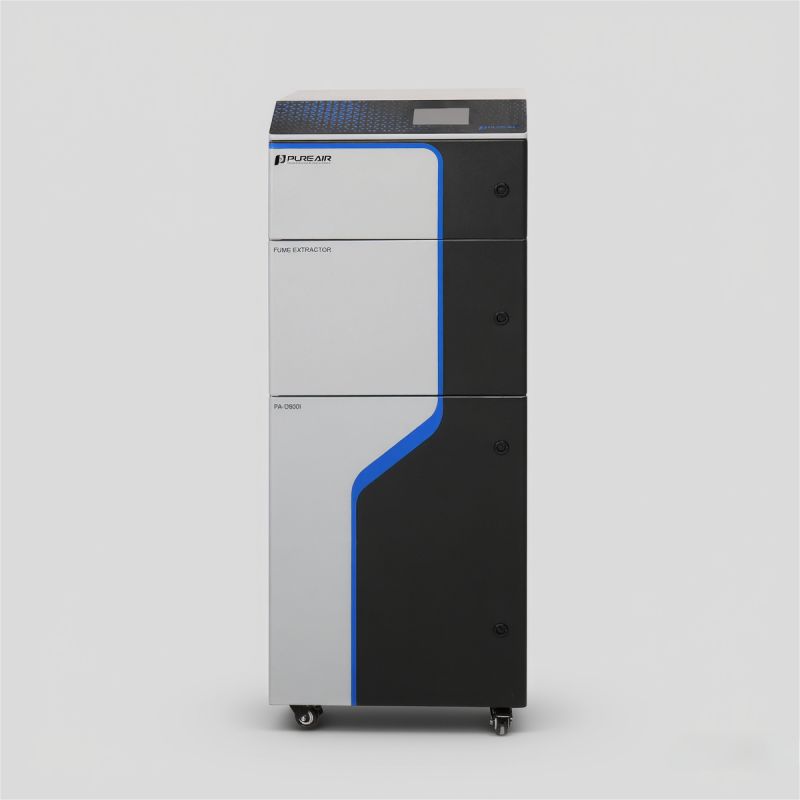
When you evaluate vendors, look for transparency in test data, local service capability, and options for upgrades. My advice: choose systems that are easy to monitor and maintain. If you follow that, you’ll avoid the typical pitfalls and actually protect people on the line. For reliable solutions and support, check PURE-AIR.
 Admin
Admin